Oxidative Stress: The Spark Behind Inflammation (and How to Put It Out)
- Aug 14, 2025
- 3 min read
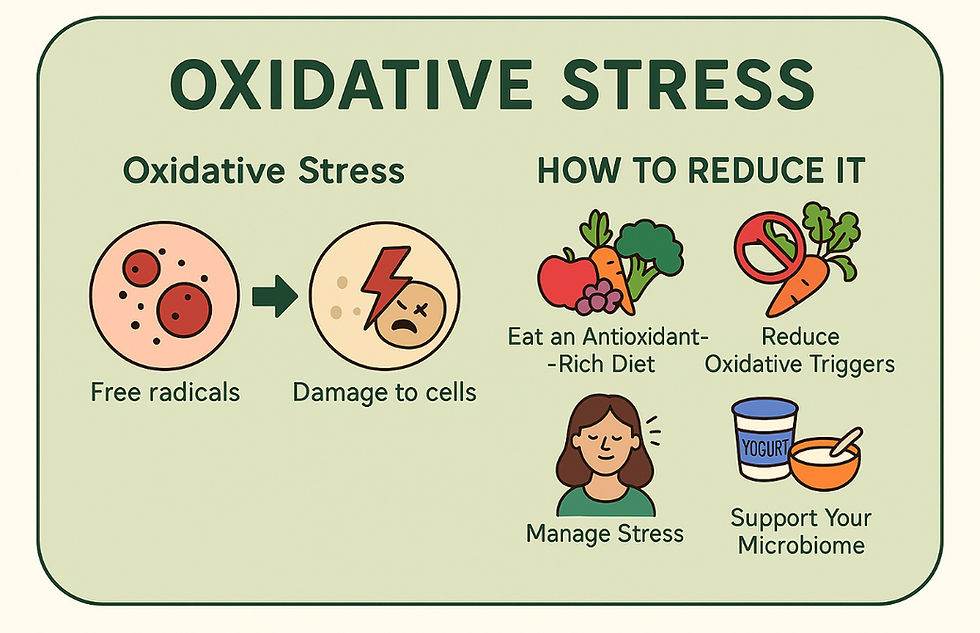
If you’ve ever cut into an apple and watched it turn brown, you’ve witnessed oxidation in action. Inside our bodies, a similar process happens when unstable molecules called free radicals outnumber the antioxidants that keep them in check. This imbalance is called oxidative stress—and while a little bit of it is normal, chronic oxidative stress can quietly fuel inflammation, damage our cells, and set the stage for serious diseases.
In the BaleDoneen Method, they provide a visual to describe oxidative stress as the rich “soil” from which inflammation grows—feeding conditions like atherosclerosis (plaque in the arteries), insulin resistance, high blood pressure, and more. The key takeaway? If we can reduce oxidative stress, we can help calm inflammation at its root.
What Exactly Is Oxidative Stress?
Oxidative stress happens when:
Free radicals (reactive oxygen species) are produced in excess—often from environmental toxins, poor diet, chronic stress, infections, smoking, or even overexercising without recovery.
Antioxidant defenses—from nutrients like vitamin C, vitamin E, selenium, and plant compounds—are too low to neutralize those free radicals.
Over time, this imbalance can damage DNA, proteins, and lipids, causing our body to sound the alarm with inflammation. And while inflammation is meant to protect us in the short term, chronic inflammation becomes destructive.
Why It Matters for Health and Longevity
Oxidative stress is linked to:
Cardiovascular disease (through arterial plaque damage and instability)
Type 2 diabetes and insulin resistance
Neurodegenerative diseases like Alzheimer’s and Parkinson’s
Certain cancers
Accelerated aging (by shortening telomeres and damaging collagen)
Think of oxidative stress as a silent accelerant—it doesn’t cause the fire on its own, but it makes every spark burn hotter and faster.
How to Combat Oxidative Stress
The good news? Our bodies have a built-in antioxidant defense system, and we can strengthen it with lifestyle choices. Here’s where to start:
1. Eat an Antioxidant-Rich Diet
Fill your plate with:
Colorful fruits and vegetables (berries, leafy greens, bell peppers, beets)
Healthy fats (extra-virgin olive oil, avocados, nuts, seeds)
Herbs and spices (turmeric, cinnamon, rosemary, oregano)
Green tea and matcha, rich in catechins
Dark chocolate (70% cocoa or higher)
Aim for a rainbow each day—different colors often mean different antioxidant compounds.
2. Reduce Oxidative Triggers
Quit smoking (nicotine creates massive oxidative load)
Limit alcohol (especially if you have metabolic or liver concerns)
Filter air where possible (especially in high-pollution areas)
Avoid ultra-processed foods high in added sugars and trans fats
3. Manage Stress
Chronic psychological stress increases oxidative stress in the body. Helpful practices:
Mindfulness meditation or prayer
Deep breathing exercises
Gentle, regular movement (yoga, walking, stretching)
Prioritizing quality sleep (7–8 hours)
4. Move Your Body Wisely
Regular moderate exercise boosts antioxidant defenses, but overtraining without rest can spike oxidative stress. Listen to your body, and mix cardio with resistance training.
5. Support Your Microbiome
Gut dysbiosis can worsen oxidative stress. Support healthy gut bacteria by:
Eating fiber-rich foods (legumes, veggies, whole grains)
Including fermented foods (yogurt, kefir, sauerkraut)
Limiting unnecessary antibiotics
The Takeaway
Oxidative stress is unavoidable—it’s a natural byproduct of living and breathing. But chronic oxidative stress is preventable. By fueling our bodies with antioxidant-rich foods, avoiding unnecessary oxidative triggers, and supporting our natural defenses, we can protect our cells, reduce inflammation, and lower our risk for chronic disease.
Honey Note: You can’t stop every spark life throws your way—and if you’re lucky, one of them will come from someone who lights a flame you’ll never want to put out. But you can tend your own fire, keeping it warm and steady, never letting it burn you from the inside out.
Or, as I like to think of it: we can keep our “internal apple” fresh, vibrant, and ready for many more seasons.
💚 MaryNell