The Danger of Distorted Truth
Truth is fragile. It bends easily under the weight of ego, fear, and misunderstanding.
Sometimes, it breaks altogether — and what replaces it is more dangerous than a lie.
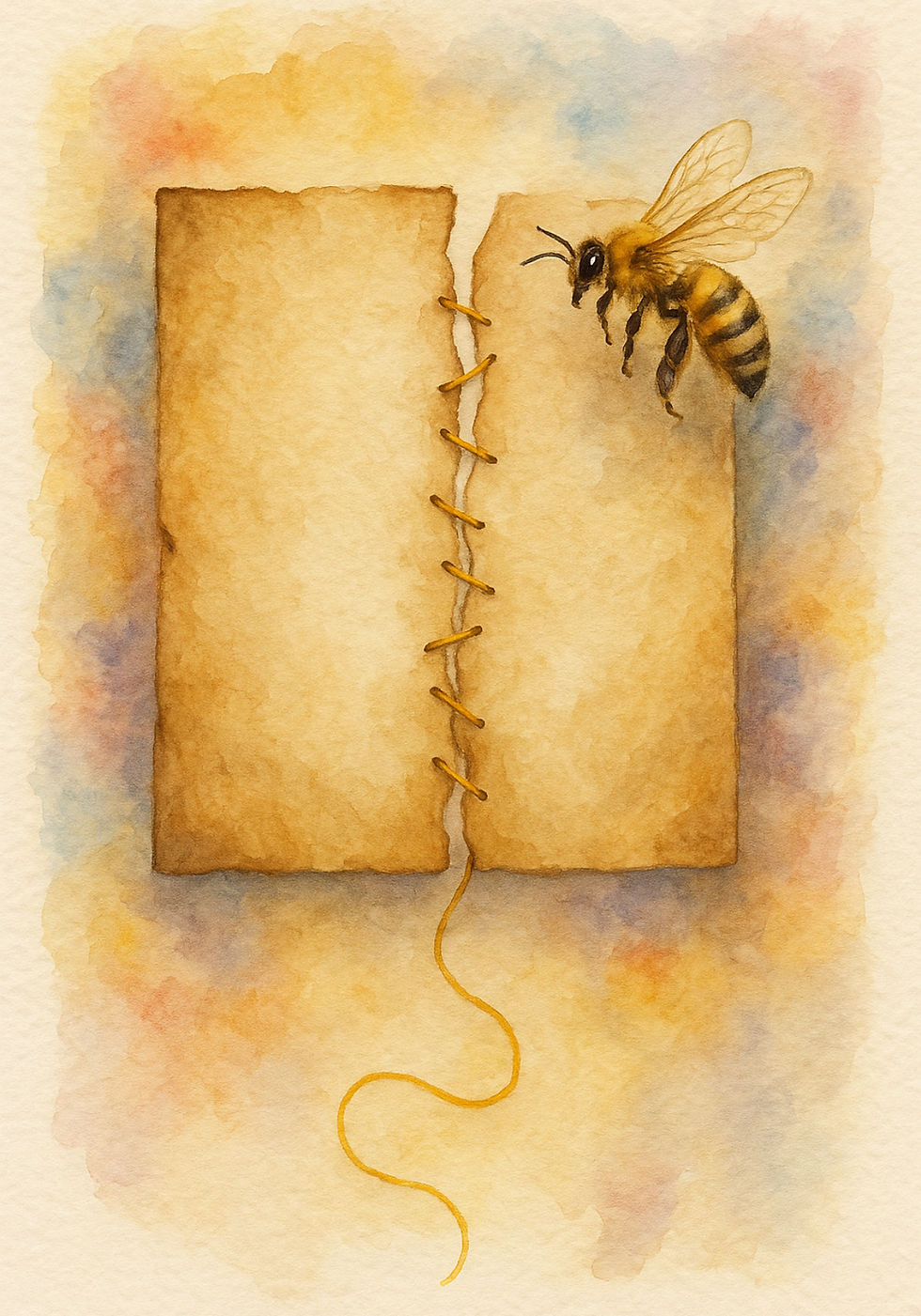
The part of this Monster series isn’t really about Ed Gein or Hitchcock. It’s about what happens when storytelling, whether on a movie screen or in our own lives, becomes a weapon — when truth is reshaped not for healing, but for harm.
🎭 When Stories Become Manipulation
Every retelling carries power.
A well-crafted story can enlighten or mislead, protect or destroy.
When filmmakers distort reality for cinematic effect, we call it artistic license.
But when people distort the truth of others for personal control, revenge, or validation — that’s manipulation.
It happens in families, friendships, workplaces, and headlines.
One sentence out of context.
One private truth whispered publicly.
One omission that changes everything.
The worst part?
Distorted truth feels real to those who tell it. They begin to believe their version — because it justifies the story they need to live with.
And that’s how people, reputations, and relationships are quietly undone.
💔 The Weight of Misrepresentation
I know what it’s like to have the truth of me distorted.
To have only part of a story told — the part that makes something seem wrong when, in its fullness, it wasn’t.To trust someone with truth and watch that trust unravel when privacy was promised but not kept.
There’s a particular kind of ache that comes from knowing your name or your life has been reduced to someone else’s interpretation.
Not lies exactly — just fragments so selectively arranged that they form a story that isn’t yours anymore.
Life, I’ve learned, can be full of broken promises.
But few promises are more sacred than the promise to protect someone’s truth.
✏️ When Telling Your Truth Touches Someone Else’s
I’ve also learned that telling the truth can be complicated.
There have been moments when I’ve written from pain — words born from hurt, not hindsight. In those moments, I didn’t set out to expose anyone’s secrets, but to process what had been done to me.
Still, even unintentional truth-telling can graze someone else’s story.
That’s the thin line every honest writer walks: wanting to speak freely while trying not to wound unfairly.
And sometimes, despite our best intentions, the truth, told in the heat of emotion, can sound sharper than it was meant to.
But acknowledging that doesn’t make the truth less valid — it makes the storyteller more aware.
And awareness is where integrity begins.
🖋️ The Responsibility of the Storyteller
As a writer — even as a blogger — I think often about the responsibility that comes with a voice.
Words have reach. They can ripple outward and touch people we’ll never meet.
They can heal, or they can harm.
When I write, I try to be honest — but also gentle. I can share my truth, but I can’t speak for someone else’s.
So, I don’t use names. I do my best not to expose what isn’t mine to tell.
Instead, I use lessons, reflections, and emotions as the framework — so that truth becomes not a weapon, but a window.
Because telling a story beautifully doesn’t mean it has to wound beautifully.
🌍 The Collective Cost of Distortion
Distorted truth doesn’t just hurt individuals — it reshapes culture.
History itself is full of half-told stories that became accepted facts.
Victims misrepresented. People silenced—events rewritten by those who held the pen.
Every time truth is bent for control, attention, or comfort, we lose something sacred — trust.
And once trust fractures, rebuilding it takes more than apology; it takes accountability, humility, and time.
The danger of distorted truth isn’t just that it fools others.
It fools the storyteller, too.
🌿 Choosing Integrity in a Noisy World
We live in a time when distortion sells — when clicks, views, and outrage often outweigh accuracy.
But storytelling rooted in integrity still matters.
It's what keeps empathy alive. It’s what keeps history honest.
To tell the truth, even when it’s uncomfortable, is an act of grace.
And to withhold what isn’t ours to tell — that’s respect.
Truth, handled with care, has the power to restore what distortion tries to destroy.
🍯 Honey Note
The truth doesn’t need embellishment to be powerful.
It doesn’t need to sparkle or shock — it only needs to be seen, held, and spoken with sincerity.
If life has ever rewritten you unfairly, remember this:
The truth has patience.
It waits quietly for the right voice to tell it — yours.
✍️ With tenderness for what was and strength for what is,
Honey
P.S. Sometimes I write from pain — from truth as I experienced it in that moment. I believe there’s a difference between using someone’s truth to hurt and acknowledging what someone’s actions did to you.
I am not trying to distort or control a narrative; instead, I am processing my own hurt, grief, and anger through writing, as most honest writers do.
Sometimes I do write when I am raw. But that doesn’t make it dishonest — it makes it real-time humanity. Writing helps me metabolize emotion. Over time, the words that come from pain often evolve into words that come from reflection. Both belong to the same honest continuum.
🐝 Even when the words sting, they’re still part of becoming something whole and true.


